JFrog's May the 4th
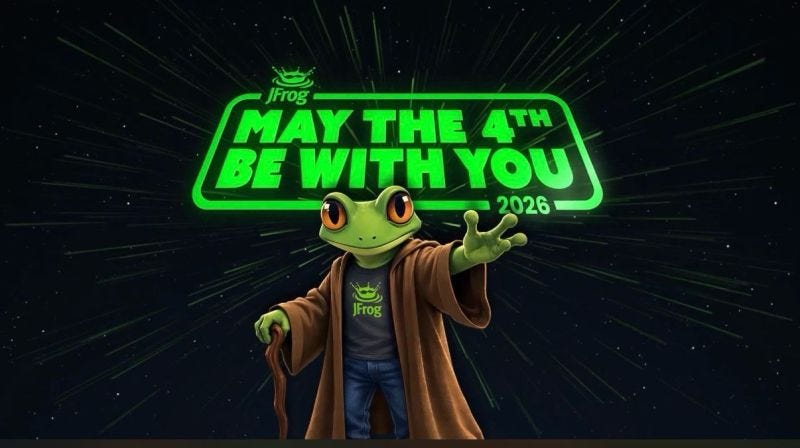
A quick note: Everything I’m sharing here is my subjective take on JFrog’s May the 4th campaign as I’m not privy to their performance metrics or strategy. The recommendations at the end are offered with deep respect for the JFrog marketing team and is purely a thought exercise in how I might have approached certain elements differently.
I should start with a confession. I am a die-hard Star Wars fan.
I held this post specifically for this week to coincide with the premiere of The Mandalorian and Grogu, which, if you haven’t seen it yet, you should. As a die-hard, the storyline is weak but the easter eggs are great. For anyone with even passing familiarity with Star Wars, it’s a fun, feel-good movie. Highly recommend.
That personal context matters because the JFrog campaign I’m about to break down is built on the same premise: cultural moments have an impact on people, and brands that know how to inhabit them rather than just reference them stand out.
JFrog earned my attention this May the 4th, and they are about to earn yours too.
A Quick Word on JFrog
For those less familiar, JFrog is the software supply chain platform that sits between your development tools and the open internet. Every package, container, model, and binary your team builds or depends on flows through JFrog so it can be versioned, secured, traced, and governed before it reaches prod.
In practice, JFrog becomes the system of record for software artifacts across the entire development lifecycle, giving teams a centralized way to manage dependencies, enforce security policies, and distribute software at scale. As AI agents start generating code and pulling dependencies autonomously, the need for a trusted control layer and a single source of truth for every software artifact has become significantly more urgent. That’s the problem JFrog is solving.
Campaign Context
This campaign was built around May the 4th ( aka Star Wars Day) and the creative vehicle was a natural fit for JFrog: their frog mascot translates nicely into the Star Wars universe, and the software supply chain narrative maps cleanly onto the light side versus dark side framing.
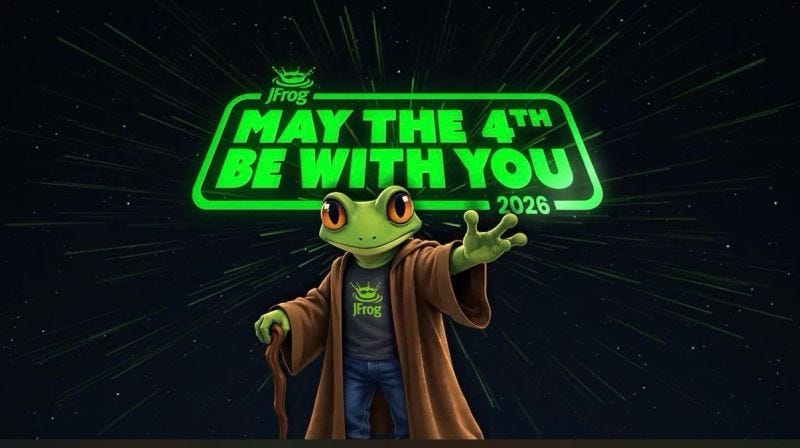
Secondly, the campaign was tied to a promotional offer: 67% off JFrog Pro locked in at $50 / month until June 2027 for new customers. JFrog Pro is the entry point into the platform, and the offer is structured in a way that’s consistent with a product-led growth (PLG) motion. Get teams in at a price point that removes friction, let the product do the work, and grow from there.
The campaign ran across organic social in the days leading up to and following May the 4th, with a “Ready for the JFrog Force?” teaser video posted on May 2nd, a social post on May the 4th itself, and a “Revenge of the 6th” extension post two days later.
What Was Executed Brilliantly
JFrog Didn’t Waste A Cultural Moment
This is the observation I keep coming back to and what I most appreciate about this campaign.
As AI accelerates the pace of product development, marketing importance will grow and teams will be expected to move faster and do more along the way. Cultural moments are valuable opportunities to do more without creating the perception of 100x “AI slop” output. And many security marketing teams either ignore them entirely or show up too late where the moment has already passed.
JFrog modeled what good looks like here. They recognized the moment, tied it to a tactical objective that mattered (the PLG discount), executed with creative quality, and did all of it proportionate to the timeframe. May the 4th is one day. You don't pour six months and a million dollars into a one-day moment. JFrog struck the right balance between ambition and restraint, and the result is a campaign that feels intentional, tasteful, and efficient.
That balance is harder than it looks.
The Discount Itself Is Rare And Well-Positioned
You almost never see this in our industry. When discounts do show up, they tend to be reactive or offered randomly without any reason for being. JFrog gave the discount a reason to exist beyond "we want more signups" by anchoring it to a cultural event. That changes how it’s perceived.
It's no longer a desperation play, it's a creative moment that happens to come with a tactical offer attached. The scarcity bias is also doing real work here. Limited time. One per company. Locks in until June 2027. Those mechanics turn a pricing promotion into something that creates urgency, and the cultural deadline of May the 4th gives the urgency a reason to exist that doesn’t feel completely self-manufactured.

Star Wars Metaphor is Load-Bearing, Not Decorative
This is the craft distinction that separates this campaign from the dozens of other May the 4th posts that will be forgotten by May 5th.
JFrog didn't just borrow Star Wars imagery. They tied it directly to their platform narrative. The "Dark Side" is ungoverned AI, rogue packages, and artifact sprawl. JFrog is the system of governance that fights back. The metaphor maps cleanly onto the actual problem the platform solves, which means every Star Wars reference is also reinforcing the platform message.
That's not easy to pull off and it elevates the entire campaign.
Creative Quality is Well Done
YodaFrog is an inspired mascot extension. JFrog’s frog character already has strong brand equity, and dressing it in Jedi robes is a creative leap that feels natural and almost inevitable in retrospect.
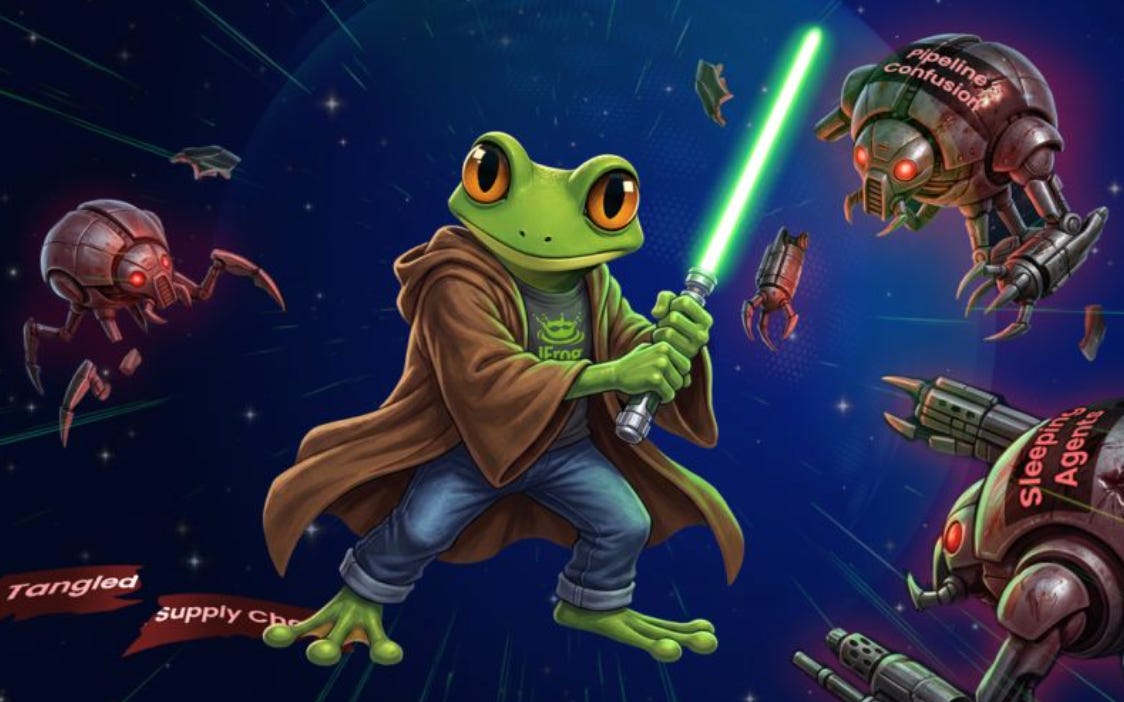
The visual consistency across posts is tight. Every asset feels like it belongs to the same campaign. The Yoda-speak copy in the “Disturbing, your lack of traceability is” post is the standout for me. Writing product messaging in inverted Yoda syntax while keeping the technical meaning intact is harder than it looks, and it shows a real understanding of the source material.
Narrative Arc is Well-Paced for the Timeframe
This is a one-day cultural moment, and the temptation in marketing is to either treat it as a single post and forget it or over invest to the point where the campaign overstays its welcome.
JFrog got the pacing right.
They had teaser posts leading up to May the 4th that built anticipation. They delivered the campaign on the day itself with a social post. And then they extended the life of the campaign by a few more days with the "Revenge of the 6th" post, which is a clever way to get a second cultural moment out of a single creative investment. Smart sequencing for a short window.
Teaser Video is an Underutilized Tactic
Very few marketing teams use teasers to build anticipation before a campaign launches. Axonius is one of the few that has done this well recently.
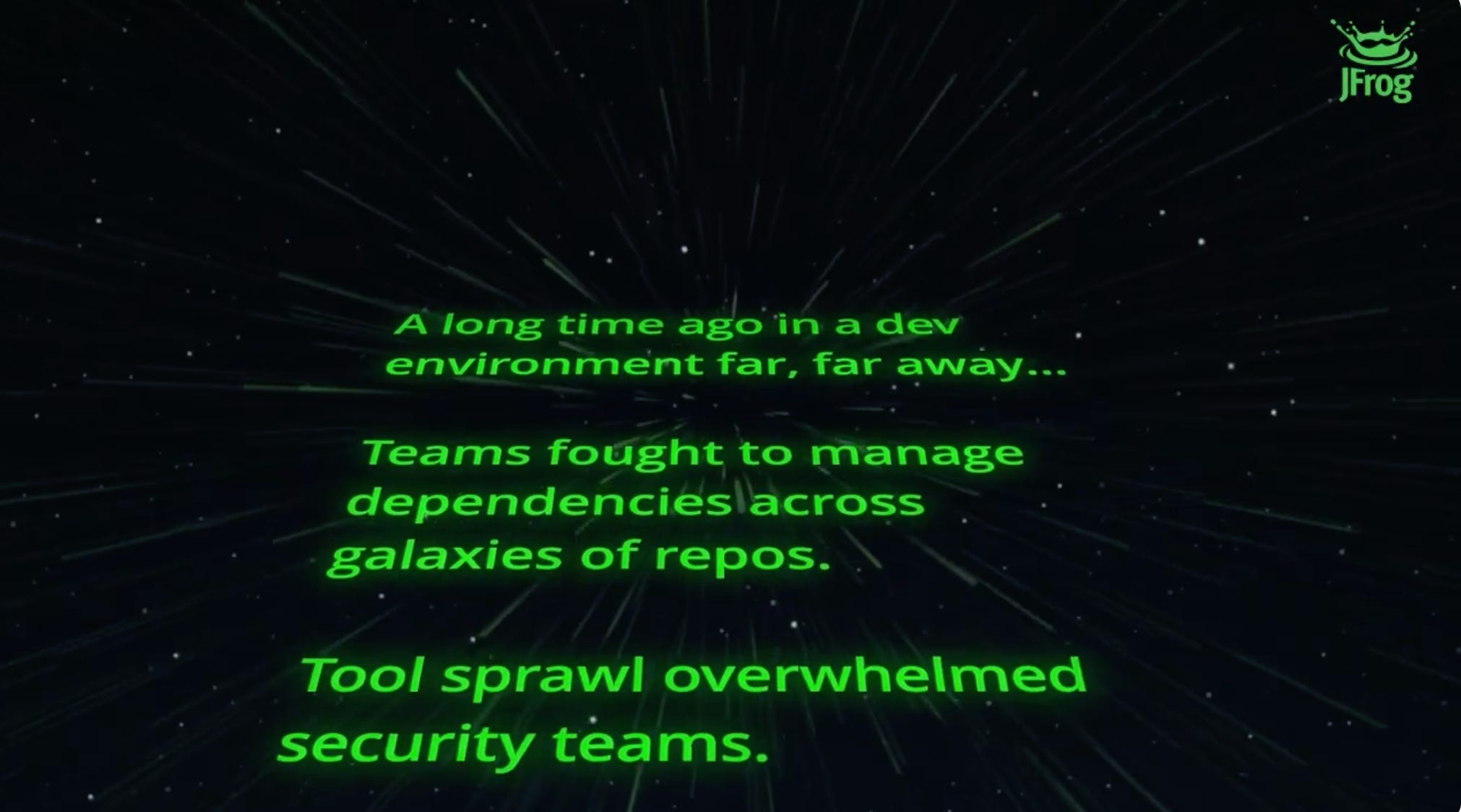
JFrog joining that small group is worth recognizing. The teaser opens with the iconic Star Wars opening crawl, names the problems JFrog solves (artifact sprawl, tool sprawl, agents spawning artifacts at hyperspeed), and ends with “Classified. Unlock May 4th.” The Zeigarnik effect is doing real work here. An unfinished setup creates psychological pull toward completion, and a well-executed teaser puts the audience in exactly the right mental state to engage with the launch.
What I Might Have Explored Differently
Zero Paid Distribution Anywhere
This is the big one. I checked LinkedIn Ads, Meta Ads, Google Ads, and YouTube. There was no paid amplification across any of those channels.
The YouTube teaser sits at 71 views. The LinkedIn posts performed reasonably for organic reach, but the campaign was begging for paid distribution to extend the impressions and put the offer in front of net-new audiences. This is a recurring theme I’ve flagged in other campaigns, and it’s particularly painful here because the creative was strong enough to warrant the investment. A tight, focused paid spend on LinkedIn alone would have multiplied the reach of this campaign significantly.
Landing Page is Creatively Inert Relative to What Drove People There
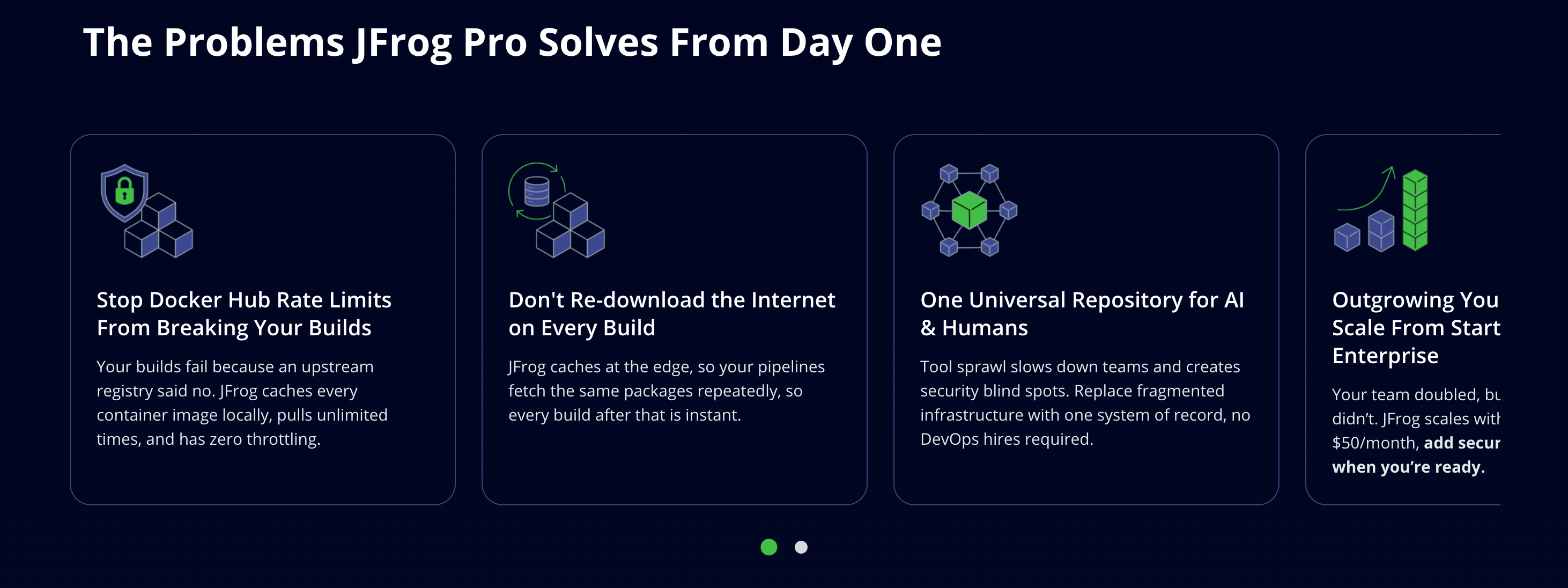
Someone arrives at jfrog.com/may-promo primed by YodaFrog wielding a lightsaber, Yoda-speak product copy, and a galaxy-wide narrative about software supply chain threats.
They land on a page that could have existed any day of the year.
There’s no Star Wars continuity, no campaign branding, nothing that signals “you’re in the right place.” The page didn’t need a full custom build. Even carrying a few thematic language choices through the existing copy would’ve maintained the connective tissue between the campaign and the landing page.
That said, I want to be clear: there’s real tension between creativity and clarity here. The first two cards on the page work precisely because they’re specific and technical. Any Star Wars overlay would have needed to be handled carefully to preserve that. But the work could have been done.
Teaser Video Earned a Hero Asset That Never Arrived
The opening crawl makes me smile. “A long time ago in a dev environment far, far away” is just too nostalgic. The problem concepts named (artifact sprawl, rogue packages, ungoverned AI) are real and resonant. But the script stops before it resolves into the hero narrative due to it’s purpose as a teaser video.
JFrog ended up telling the story across individual LinkedIn posts, which works, but a full version of that opening crawl resolving into the JFrog narrative, posted on May the 4th as the centerpiece asset, would have been the natural and satisfying payoff to the setup. The teaser created an expectation of a cinematic conclusion and the conclusion never came in video form.
Also this is a moot point, the “Transmission Intercepted” beat in the teaser is murkier than it needs to be. The intent seems to be positioning JFrog as intercepting a threat, but as a viewer the moment lands as confusing rather than intriguing.
No Physical Gift Mechanic to Drive Organic Reach
This is the idea I most wish JFrog had executed. JFrog could have offered a free the Republic of Tea’s The Mandalorian and Grogu Two Tea Gift set or a Mandalorian Owala water bottle to the first 50 people in DevOps or DevSecOps roles who reposted the May the 4th announcement post.
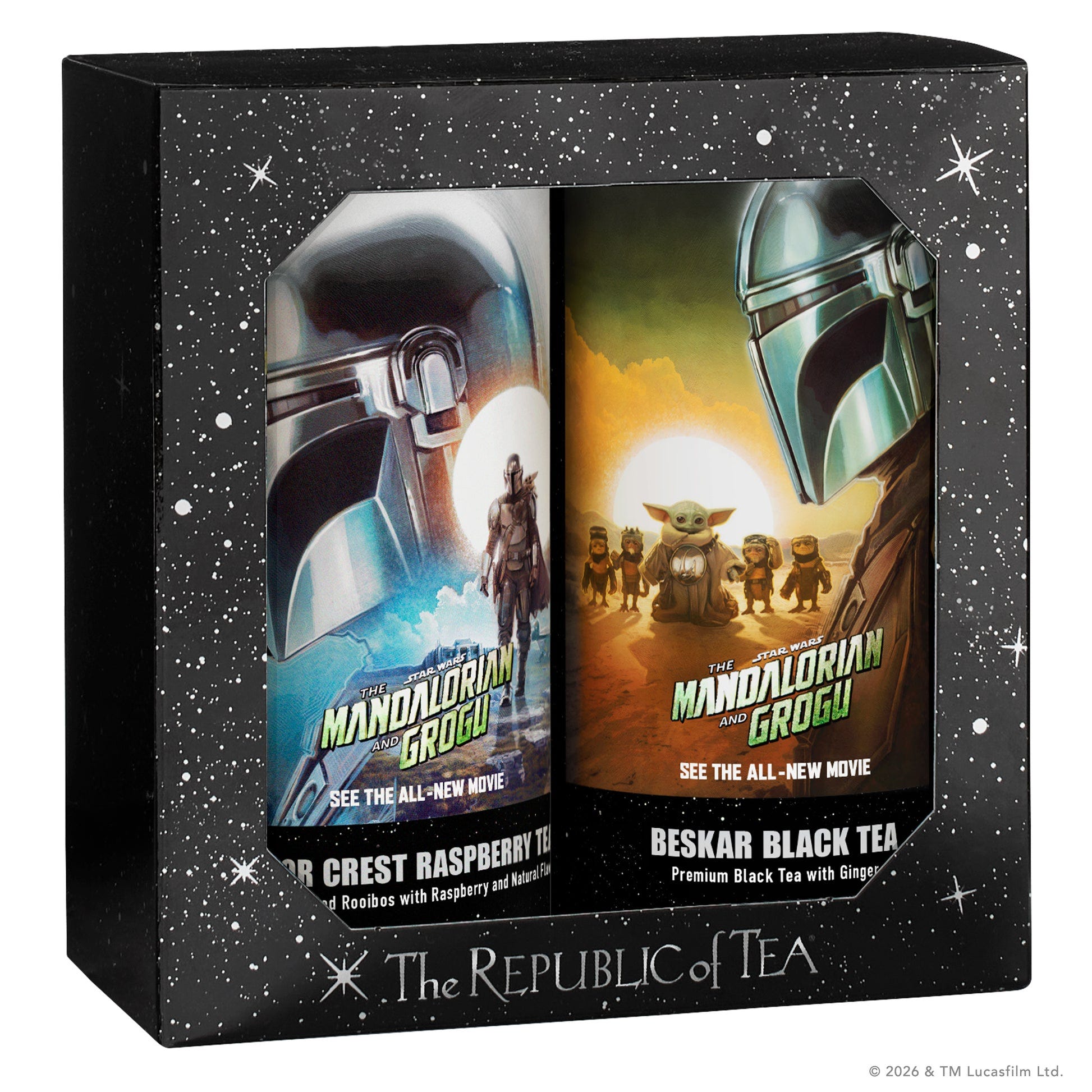
Both items are around $32.50. JFrog would have spent roughly $1,625 to likely generate 100k+ impressions from practitioners in their exact target audience, each one carrying the JFrog brand into their personal networks. The targeting mechanic alone (first 50 in DevOps or DevSecOps) ensures the reach goes exactly where the PLG motion needs it.
And the timing was a gift. The Mandalorian and Grogu movie premiere was three weeks following the launch of this campaign and a highly, highly anticipated movie. JFrog had the opportunity to leverage this upcoming premiere to create even more engagement and attention for their May the 4th campaign.
No Personalized Employee Character Cards
Endor Labs ran a campaign at RSAC where they turned employees and customers into personalized Star Wars-style character portraits and distributed them as shareable assets.
JFrog had the exact same creative opportunity.
YodaFrog was already established. The visual language was already built. Personalized “JFrog Force” social posts for each employee would have given the team something fun to post about, extend the campaign’s organic reach into employee’s personal network, and converted the internal energy into external distribution in a way that felt authentic rather than overly manufactured.
The Bottom Line
JFrog did what most security marketing teams don’t do, which is recognize a cultural moment and move fast enough to capture it. They did it with creative quality, anchored it to an interesting discount offer, and invested the right amount for the timeframe. That kind of intentional opportunism is going to matter more, not less, as AI compresses the pace of product development and forces marketing teams to capture more value from every moment that’s available to them.
The campaign isn’t perfect. The distribution gap is real, the landing page didn’t carry the creative through to the conversion moment, and the teaser earned a hero asset that never came.
But these are the kinds of gaps that exist because the campaign was good enough to deserve more. That’s a different category of critique than the campaigns that fail because the creative wasn’t there to begin with.
May the 4th is over. The next cultural moment is already coming. JFrog showed what it looks like to be ready for it.
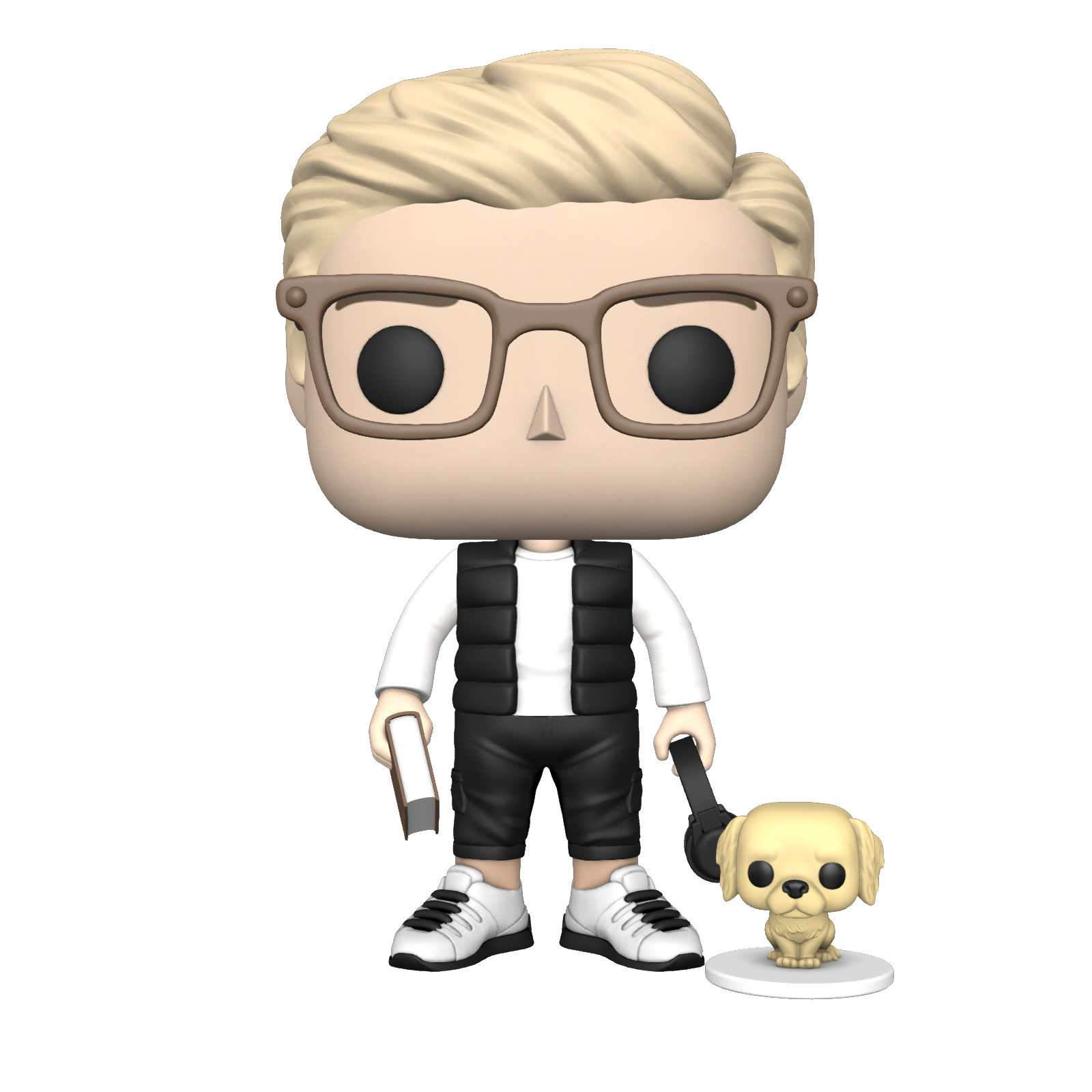
Every week, I write about a marketing campaign in the cybersecurity software space that stands out strategically and/or has creative execution worth studying. And every quarter, I select three “Campaigns of the Quarter” where the marketers who led the campaigns receive a free, personalized Funko Pop. Yes, I’m serious. Here’s mine as proof:
If you’ve led a campaign you’re proud of or know someone who has, message me on Substack or LinkedIn to submit it. I want to see what you’re building.
Originally published on Campaign Telemetry.
Read on Substack