N-able's Be able
A quick note: Everything I’m sharing here is my subjective take on N-able’s Be able campaign as I’m not privy to their performance metrics or strategy. The recommendations at the end are offered with deep respect for the N-able marketing team and is purely a thought exercise in how I might have approached certain elements differently.
First, an intro for those unfamiliar with N-able. N-able builds software for the people who keep everyone else’s technology running. Their platform helps IT professionals and managed service providers (MSPs) manage, secure, and recover the businesses they look after, with endpoint, SecOps, and data protection all under one roof.
What sets the company apart is less the tech stack and more the posture behind it. N-able leans on a partner-first model that pairs the products with experts, training, and peer-led events, the idea being that the software only matters if the people using it are set up to succeed.
Hold onto that idea, because it turns out to be the whole point of this campaign.
The Campaign
Be able is one video. A minute and thirty-seven seconds, posted to YouTube in September 2023. That’s the campaign.
I want to sit with the simplicity for a second, because it would be easy to undervalue what’s happening here.
Most security vendors go to market promising an incredible product with an incredible return. And the product may have that potential. But here’s what I’ve learned watching this category for years: the return rarely comes from the product alone. It comes from onboarding that doesn’t fall apart, from implementation that gets finished, from a vendor who treats the relationship as a partnership and is in the trenches with the customer day-in and day-out. Security software orgs carry aggressive growth targets, and the post-sale experience is too often the thing that gets deprioritized when the quarter is on the line.
N-able looked at that gap and built a campaign on it. Not on features. On the promise that they invest in your success after the sale, when most of the competition has already moved on to the next logo. That’s a bet on a known weakness in the industry, and it carries far more strategic weight than another ROI claim ever could.
What Was Executed Brilliantly
N-able Redefined What The Company Makes
The most important line in the video arrives early and is easy to miss.
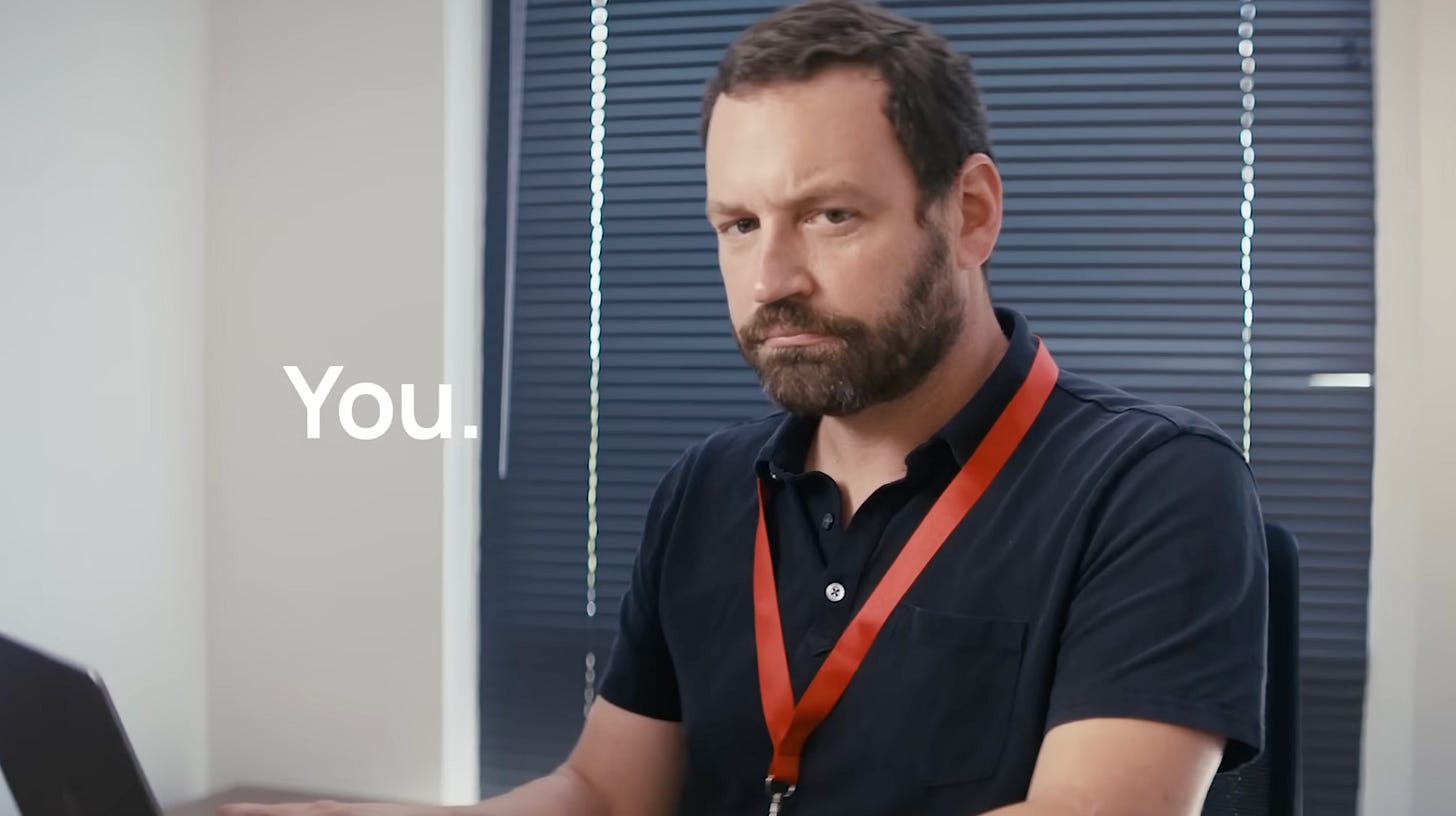
“We make enabling software for a very specific IT professional. You.”
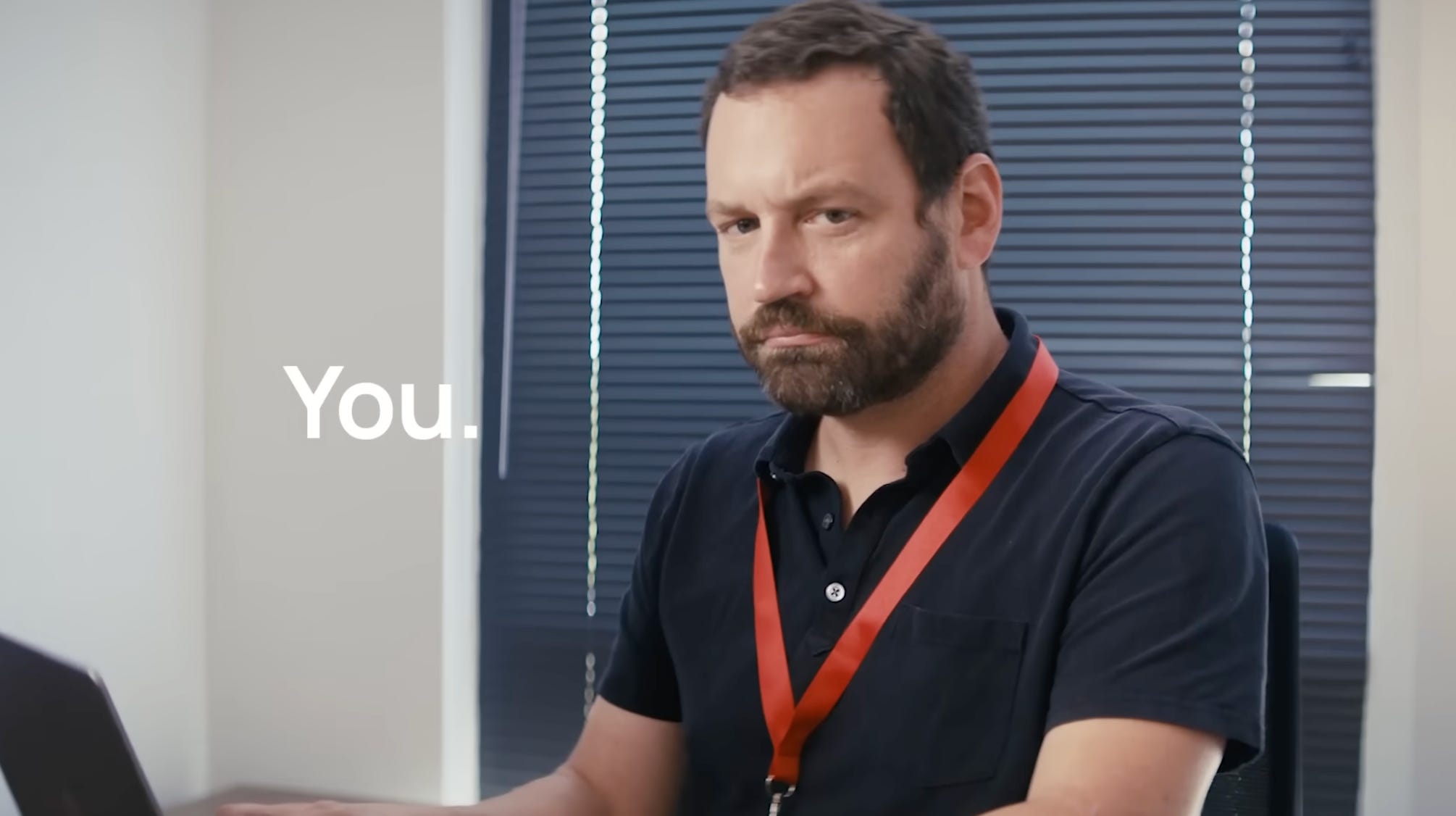
Read that again. N-able makes UEM and data protection software. But the campaign doesn’t call it that. It calls it enabling software, and then it spends the entire runtime quietly proving that “enabling” doesn’t mean features. It means people.
Watch where the attention goes. Laura, whose whole job is listening to you, understanding your business, and connecting you to solutions. The Head Nerds, serious experts answering your toughest questions on automation, security, ops, or just about anything IT. David, constantly on the road visiting partners all over the world. John, who considers it his job to make your job easier. One human after another, each one positioned as the actual product. The software capabilities, don’t appear on screen until the final ten seconds, almost as a footnote.
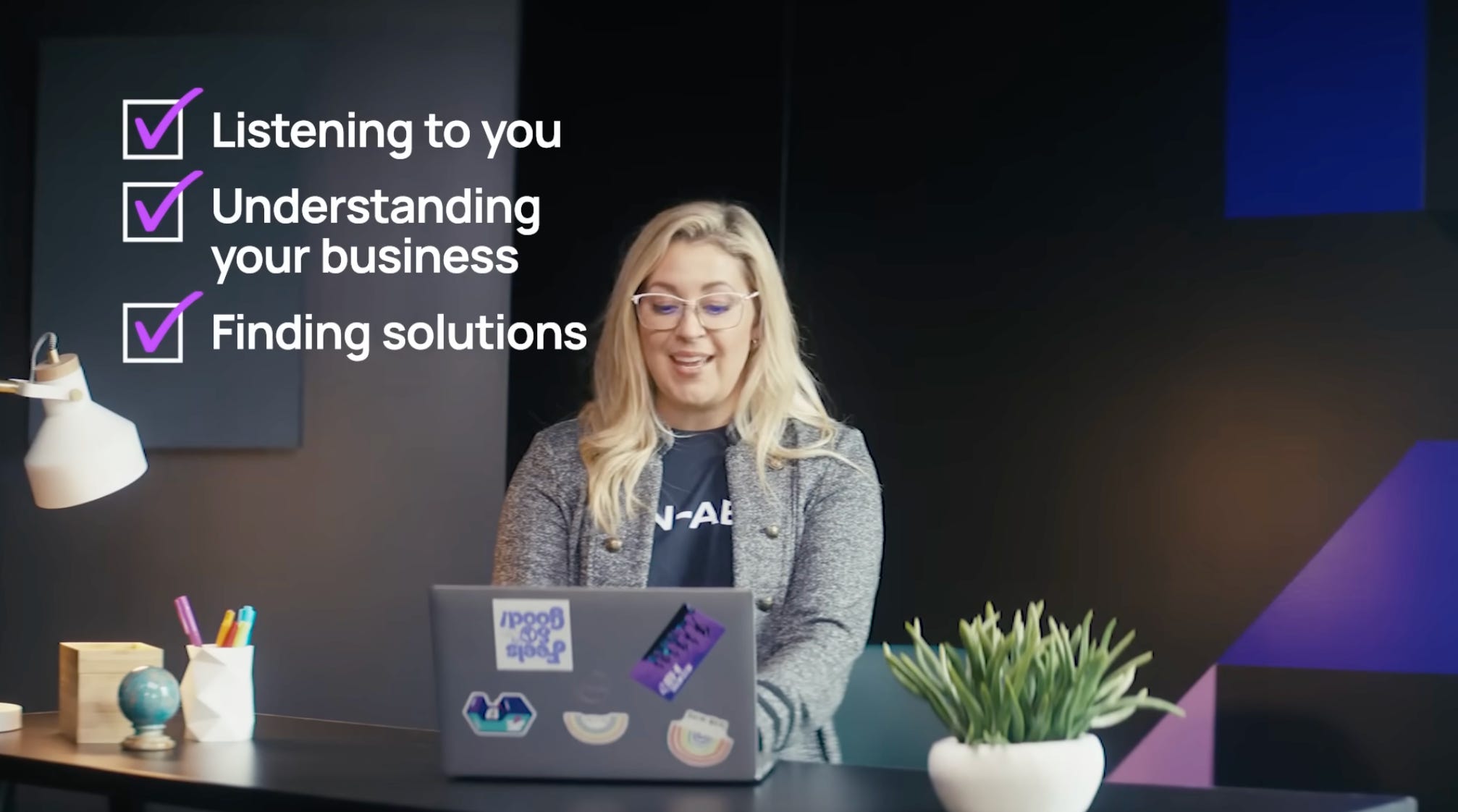
That sequencing is the argument. The product is table stakes. The support is the differentiator. Everything you just watched is the executional proof of the strategic bet, that the post-sale relationship is where the value actually lives. This is the part that’s so critical for us security marketers to study. The temptation to show the dashboard, to name the feature, to prove the ROI is enormous. N-able resisted it for ninety seconds straight and trusted the people to carry the message.
“N-abler” Device Makes The Buyer The Hero
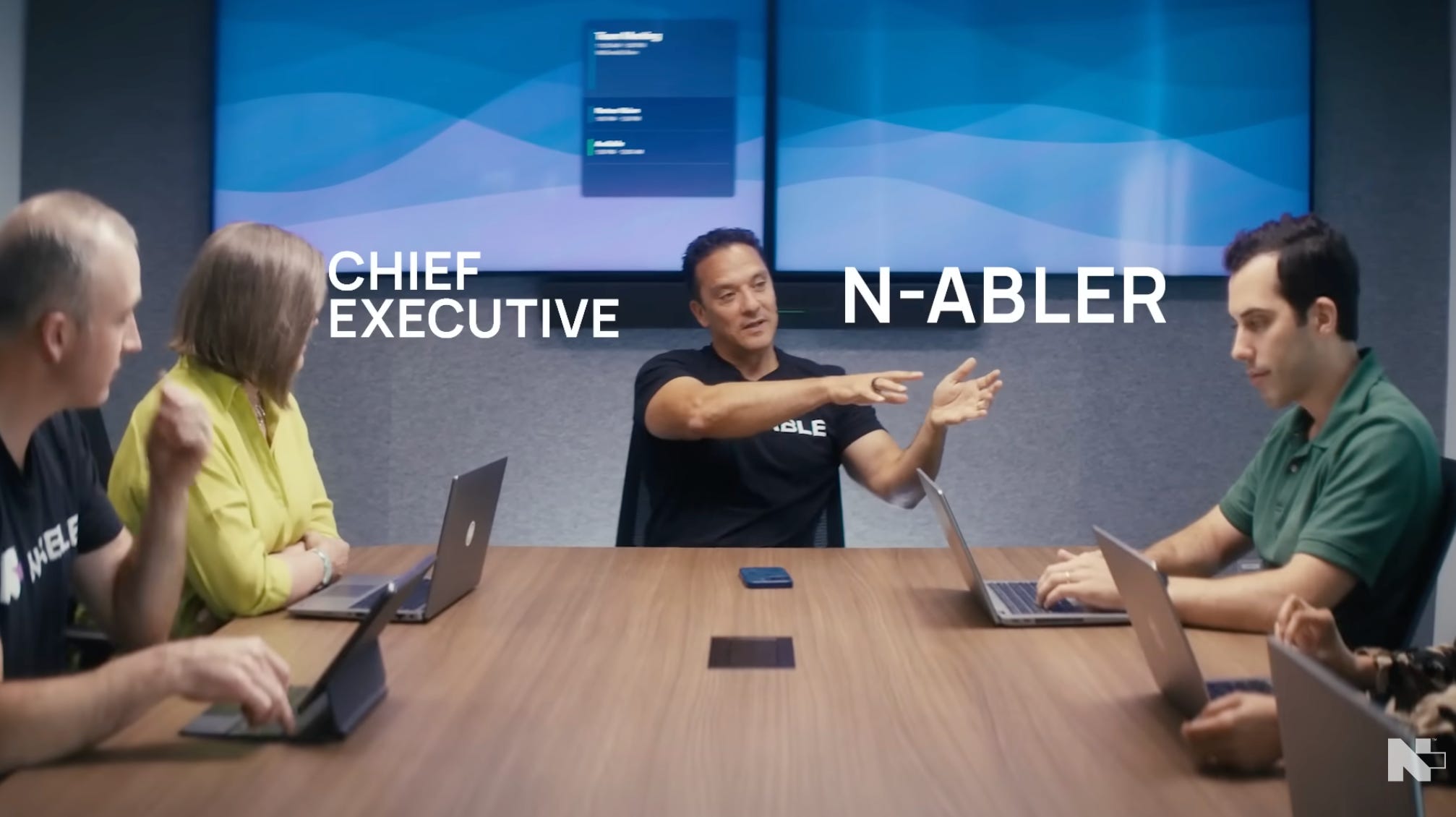
Every person in the video gets the same label. They’re N-ablers. The receptionist, the partner success rep, the Head Nerds, all the way up to “our chief executive N-abler.” On its face this reads like an employer-brand move, a bit of internal pride about who works there.
Then the payoff line reframes the entire thing:
“We are N-ablers of those who shape IT’s tomorrow.”
The person who shapes IT’s tomorrow is you, the buyer.
The whole company, every N-abler from the front desk to the CEO, exists to enable that person. It’s a buyer-as-hero move, which is one of the most reliable structures in this category, but N-able gets there indirectly. Rather than telling you you’re the hero, they spend the video celebrating their own people and only at the end reveal that all of it points at you.
The indirection is what makes it land.
Stated plainly, “you’re the hero” is flattery. Arrived at sideways, it feels earned. Many of the most effective campaigns in this space center the practitioner rather than the vendor, and this one does it without ever feeling like it’s reaching for your ego.
Casting Real Employees Is The Proof, Not The Garnish
It would be easy to file the use of real N-able people under authenticity, a nice-to-have that makes the spot feel warmer. It’s more load-bearing than that.
The entire claim of the campaign is that N-able actually talks to you, actually understands your world, actually shows up.
“Simple. We talk to you and other IT pros all the time. It’s kind of our thing.”
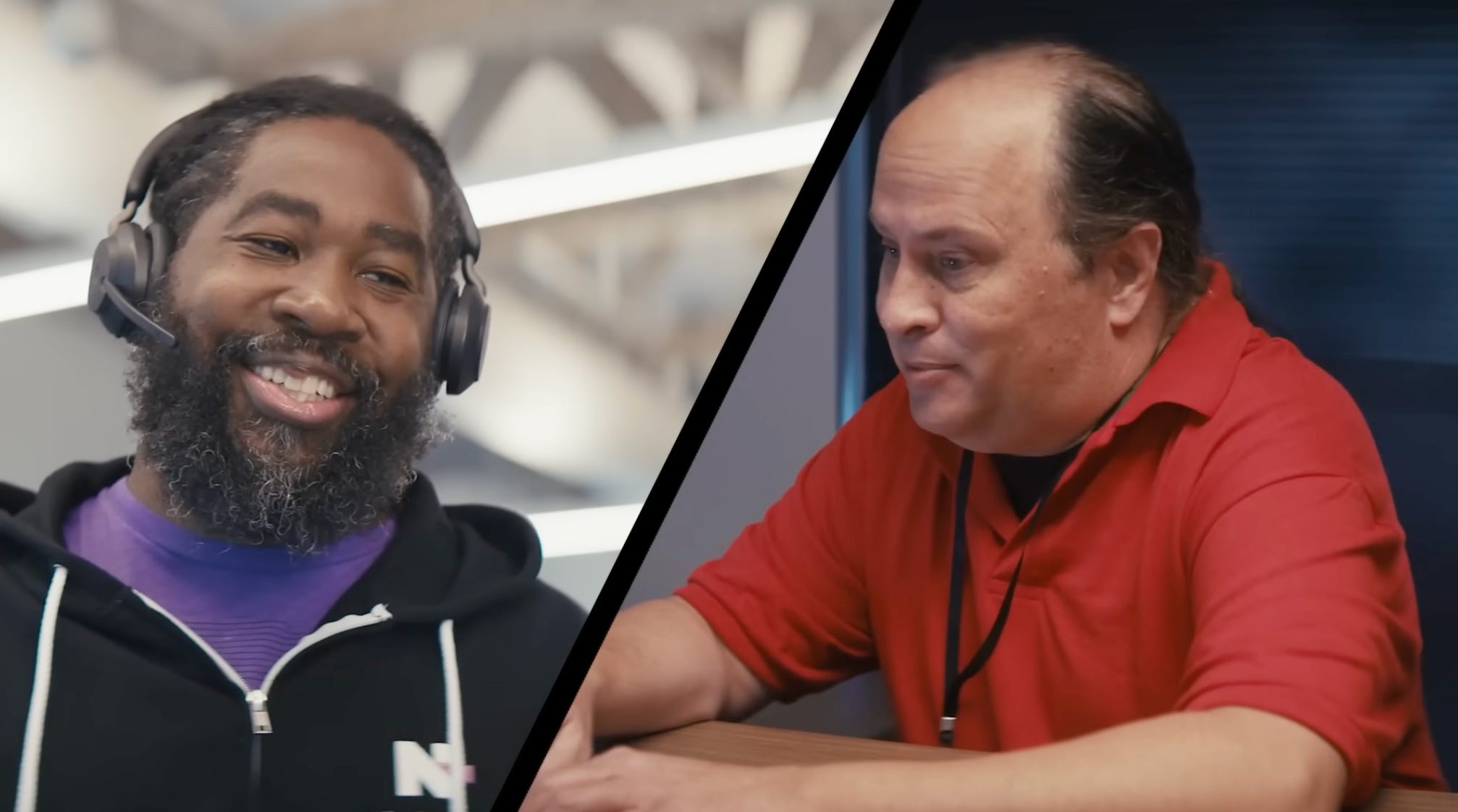
A campaign making that argument cannot use actors. The moment you cast a model to play a partner success rep, the claim collapses, because the medium contradicts the message. By putting the real Partner Success team, the real Head Nerds, and the real CEO on screen, the casting becomes structural evidence for the central promise.
If the argument is “these people are real and they’re here for you,” then the people had better be real. They are.
They Put Money Behind It
I’ve made this point across enough posts that I won’t dwell on it. But 4.4 million views on a video not about your product in a niche as specific as MSP software does not happen organically.
N-able backed the creative with considerable distribution spend, and it’s worth naming because the failure I see most often isn’t bad creative. It’s good creative that nobody funds. A great video seen by twelve thousand people is a rounding error. N-able made the video and then made sure the audience saw it. That second decision is just as important as the first.
What I Might Have Explored Differently
A Place To Continue The Story
I did my due diligence here and, if a dedicated campaign landing page didn't exist, that's the first gap I'd flag. I'll keep this brief because regular readers know it's a refrain of mine. A video this good, with this much spend behind it, makes a specific promise about the post-sale experience. A landing page is where a skeptical buyer goes to learn more about that promise. The absence of one leaves the story stranded on YouTube when it could have had a home that deepens it.
Turn The Claim Into A Series Of Small, True Stories
This is the one I'd reach for first. The campaign asserts that the Partner Success relationship is special. Assertion is one of the softest forms of proof. What I'd love to have seen is a follow-up video series built almost exactly like Chick-fil-A's "It's the Little Things," small, self-contained stories of a single partner success rep and a single customer, showing one specific moment where the rep went above and beyond to solve a real problem.
Two or three minutes each. No product. Just the relationship, shown rather than claimed. It would take the central promise of “Be able" and give it evidence, in a format that's a pleasure to watch (if you regularly eat at Chick-fil-A you’ll appreciate what I just did there). The original video tells you N-able partners with you. A series like that would let you watch it happen, over and over, until you believed it.
Give A Warmed-Up Prospect Somewhere To Go Deeper
The video does its job at the top of the funnel. Someone finishes it intrigued, more favorably disposed toward N-able than they were ninety seconds earlier.
The question is what you hand that person next.
I'd build content specifically for the prospect the video just created: what the process actually looks like when you switch from another vendor, what onboarding involves and what to expect at each stage, honest ROI benchmarks at different tenure intervals so a buyer can see what year one looks like versus year three, even practical advice on how to get the most out of the Partner Success relationship once you're in it.
This is the connective tissue between a brand video and a buying decision, and it's a natural extension of the exact promise the campaign is making.
The Bottom Line
Be able works because it understands the relationship after the sale matters. And it kind of matters a lot. N-able found a real weakness in how their competitors treat customers once the deal closes, and instead of out-featuring them, they made a promise about partnership and then cast their own people to prove it was true.
It’s one video. Ninety-seven seconds. But it’s anchored to a concept durable enough to run for years, backed by the distribution to actually reach people, and built on a claim the company can keep making because it happens to be the thing they’re truly good at. The tagline sits one letter away from the company name, so every time you say it, you’re saying what they do. You tell us when you’re ready, we’ll make sure you’re able. That’s a closing line I know I’d kill for, and N-able earned it.
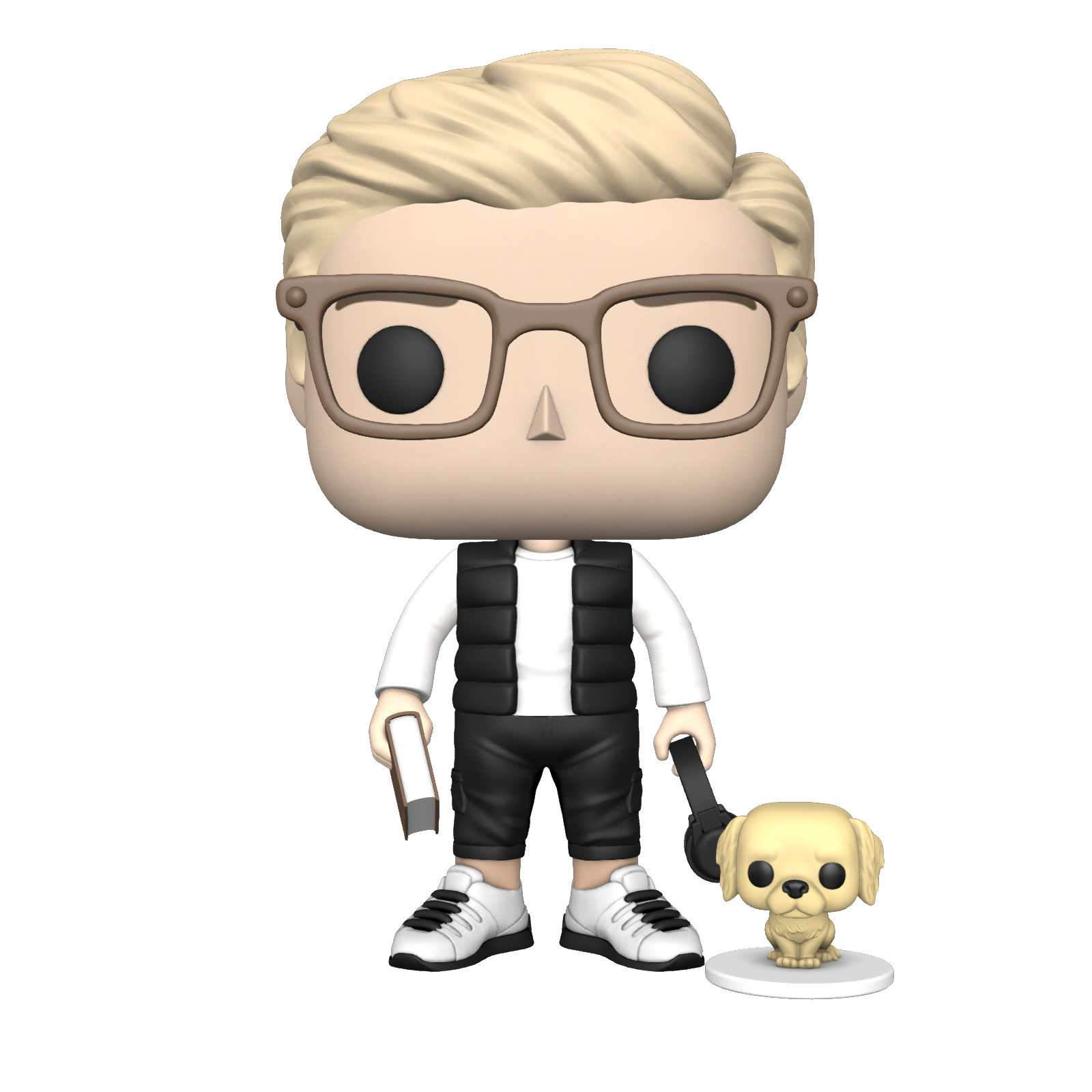
Every week, I write about a marketing campaign in the cybersecurity software space that stands out strategically and/or has creative execution worth studying. And every quarter, I select three “Campaigns of the Quarter” where the marketers who led the campaigns receive a free, personalized Funko Pop. Yes, I’m serious. Here’s mine as proof:
If you’ve led a campaign you’re proud of or know someone who has, message me on Substack or LinkedIn to submit it. I want to see what you’re building.
Originally published on Campaign Telemetry.
Read on Substack